
Buying VS Renting
There is definitely an upside to renting:
There are upsides to buying a home:
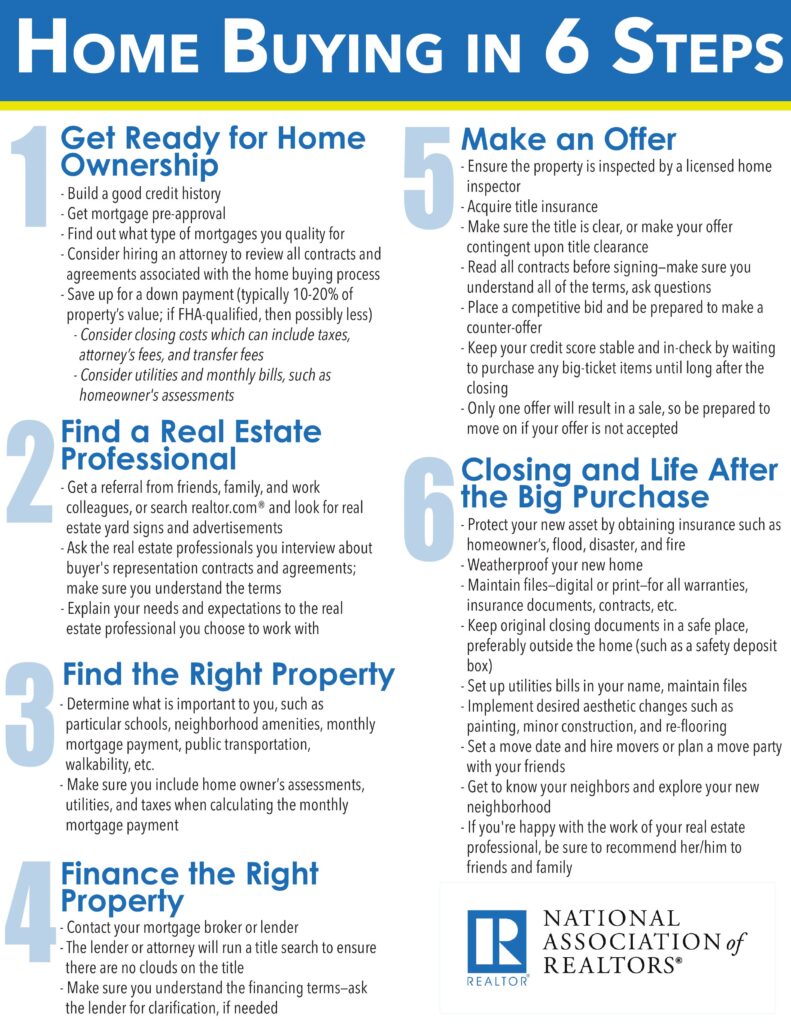
Use your Tax Refund for HomeownershipHome buying (and selling) season usually kicks off around Tax Day in early Spring! For most the scramble to save as much as you can prior to buying a home can seem daunting, Closing costs, down payment, inspections and earnest money oh my…. Here are some of the top ways you can spring forward into homeownership this spring and use your hard earned dollars to help.
1. Pay down debt – To purchase a home you need a credit score of 580 or higher and this is a crucial factor to determine your eligibility in obtaining a loan. Increase your credit score and lower your debt to income by paying off high interest credit card debt. For other tips on what should be paid down its a great idea to speak with a lender.
2. Down Payment– Depending on what loan you and your lender choose you will need 3.5 percent -5% down this is a total amount based off the purchase price of the home you choose. That IRS windfall you were not counting on can really add to what you have saved quickly.
3. Earnest Money Deposit- When you find the perfect home you will be required to give a deposit which is called Earnest Money. This amount will later come off the total down payment and closing cost amount needed to secure your loan. This Earnest Money is given within a few days after a contract is signed and usually equal to 1% of the home price. on a $200,000 home most sellers like to see $2,000. as Earnest money.
4. Home Inspections- While it is not a requirement to get a home inspected before you purchase it, we always recommend you do so. Its a good idea to make sure your not getting in over your head or that something will cost more than you budget for repair. Home inspections are completed within the first 5 business days a home is under contract and typically range in price based off the home square footage.
5. Savings- Start that rainy day fund. A great rule of thumb is to have 6 months worth of mortgage payments in an account in case you should ever need it to fall back on. Sometimes when owning a home you have unexpected maintenance costs having money aside can release you from the financial burden.
6. Build Equity- Not every home is move in ready and currently lots of deals on homes that need a little bit of work, build some sweat equity with your savings and make some simple renovations that can help you increase the value of your home exponentially.
Thinking of taking the plunge into homeownership? Reach out and I will get you on the right path!
Choosing the right LenderApplying for a pre-approval online can help save time and make it easier to get the best rate, but before you decide on a lender, ask for referrals.
Friends, family and coworkers who own their homes can be a great source of information.
You can also ask a Realtor for a list of preferred lenders.
Choosing between a small local lender or a larger national lender is mostly a matter of preference, but knowing which you’d prefer can help you find the right deal for your situation.
If you like personal service, and enjoy the face-to-face contact, it may make sense to choose a small mortgage lender in your local area.
If you don’t have much time to waste and seek a well-organized lender, having a larger lender may be the choice for you. Also, a large lender may have more payment options such as online payment or automatic mortgage deduction.
Generally, a good lender will have a solid reputation with accreditation and reviews to back it up. To figure out where your lender stands, start by doing this research yourself:
Finding a lender with great customer service can make things easier, especially if you have questions about the application or terms—or find yourself needing help with your mortgage down the line.
Test the lender’s customer service skills by calling with a few simple questions about the application or the lending process. After you talk with a representative, ask yourself these questions:
Remember, first impression can be very telling in the business world, and buying a home is a big financial commitment—so you should expect to be treated well by your mortgage company.
Once you’ve narrowed down your choice to three or four lenders, ask for a good faith estimate: a detailed list of costs provided by a bank or mortgage lender to a borrower, required by law. The costs listed include the following:
While these are only estimate and may vary slightly from your actual costs, you can use your good faith estimate as a tool to help you chose the most reasonable lender.

The information displayed on this page is confidential, proprietary, and copyrighted information of Heartland Multiple Listing Service, Inc. (“Heartland MLS”). Copyright ©2026, Heartland Multiple Listing Service, Inc. Heartland MLS and United Real Estate do not make any warranty or representation concerning the timeliness or accuracy of the information displayed herein. In consideration for the receipt of the information on this page, the recipient agrees to use the information solely for the private noncommercial purpose of identifying a property in which the recipient has a good faith interest in acquiring
Use of this site means you agree to the Terms of Use
The information displayed on this page is confidential, proprietary, and copyrighted information of Heartland Multiple Listing Service, Inc. (“Heartland MLS”). Copyright ©2026, Heartland Multiple Listing Service, Inc. Heartland MLS and United Real Estate do not make any warranty or representation concerning the timeliness or accuracy of the information displayed herein. In consideration for the receipt of the information on this page, the recipient agrees to use the information solely for the private noncommercial purpose of identifying a property in which the recipient has a good faith interest in acquiring
Use of this site means you agree to the Terms of Use Based on information submitted to the MLS GRID as of 10/22/2026 8:30:04 AM. All data is obtained from various sources and may not have been verified by broker or MLS GRID. Supplied Open House Information is subject to change without notice. All information should be independently reviewed and verified for accuracy. Properties may or may not be listed by the office/agent presenting the information.This content last updated on Thursday, October 22, 2026 8:30 AM from HMLS
Some properties which appear for sale on this web site may subsequently have sold or may no longer be available.
Properties displayed may be listed or sold by various participants in the MLS.
Listing information is provided exclusively for consumer personal, non-commercial use and may not be used for any purpose other than to identify prospective properties consumers may be interested in purchasing.
Franchise Offices are Independently Owned and Operated. The information provided herein is deemed accurate, but subject to errors, omissions, price changes, prior sale or withdrawal. United Real Estate does not guarantee or is anyway responsible for the accuracy or completeness of information, and provides said information without warranties of any kind. Please verify all facts with the affiliate.
Copyright© United Real Estate
Privacy Statement
Terms Of Use
If you are using a screen reader, or having trouble reading this website, please call our Customer Support for help at 888-960-0606 .
Web Content Accessibility Disclosure Statement:
We strive to provide websites that are accessible to all possible persons regardless of ability or technology. We strive to meet the standards of the World Wide Web Consortium's Web Content Accessibility Guidelines 2.1 Level AA (WCAG 2.1 AA), the American Disabilities Act and the Federal Fair Housing Act. Our efforts are ongoing as technology advances. If you experience any problems or difficulties in accessing this website or its content, please email us at: unitedsupport@unitedrealestate.com. Please be sure to specify the issue and a link to the website page in your email. We will make all reasonable efforts to make that page accessible for you.
The Digital Millennium Copyright Act of 1998, 17 U.S.C. § 512 (the “DMCA”) provides recourse for copyright owners who believe that material appearing on the Internet infringes their rights under U.S. copyright law. If you believe in good faith that any content or material made available in connection with our website or services infringes your copyright, you (or your agent) may send us a notice requesting that the content or material be removed, or access to it blocked. Notices must be sent in writing by email to: Legal@UnitedRealEstate.com
The DMCA requires that your notice of alleged copyright infringement include the following information: (1) description of the copyrighted work that is the subject of claimed infringement; (2) description of the alleged infringing content and information sufficient to permit us to locate the content; (3) contact information for you, including your address, telephone number and email address; (4) a statement by you that you have a good faith belief that the content in the manner complained of is not authorized by the copyright owner, or its agent, or by the operation of any law; (5) a statement by you, signed under penalty of perjury, that the information in the notification is accurate and that you have the authority to enforce the copyrights that are claimed to be infringed; and (6) a physical or electronic signature of the copyright owner or a person authorized to act on the copyright owner’s behalf. Failure to include all of the above information may result in the delay of the processing of your complaint.
Leave a message for Samantha